
How My Kitchen Fell in Love with Fermentation
I still remember the first time I made hot sauce at home. I had a bag of peppers I’d picked up at the farmer’s market — they were spotted, a little wrinkled, and marked down to just a few dollars. Too good to waste, I decided to try fermenting them.
What I expected to be a small experiment turned into a kitchen obsession. Within a week, the peppers had transformed into something tangy, spicy, and full of depth. That’s the magic of a fermented hot sauce recipe — simple ingredients becoming a bold condiment that tastes better than anything store-bought. It’s budget-friendly, reduces food waste, and keeps your meals exciting long after the cooking is done.
Why Homemade Hot Sauce Saves Money
There’s another reason I adore making my own hot sauce: it’s far cheaper than buying artisanal bottles. A single premium brand can easily cost $8–12, while a homemade batch comes out to only a few dollars and lasts for months in the fridge. If you’ve ever shopped at a farmer’s market and found a bag of discounted peppers, you already know how budget-friendly this project can be.
Homemade condiments also fit beautifully into the way I approach meal prep. Just a spoonful of hot sauce can transform simple rice bowls, roasted chicken, or even scrambled eggs into something exciting. If you’re looking for other ways to stretch your dollar while still eating well, I’ve shared my approach in the 40 dollars weekly meal prep for a family of 4, which follows the same principle: flavor and savings can absolutely go hand in hand.
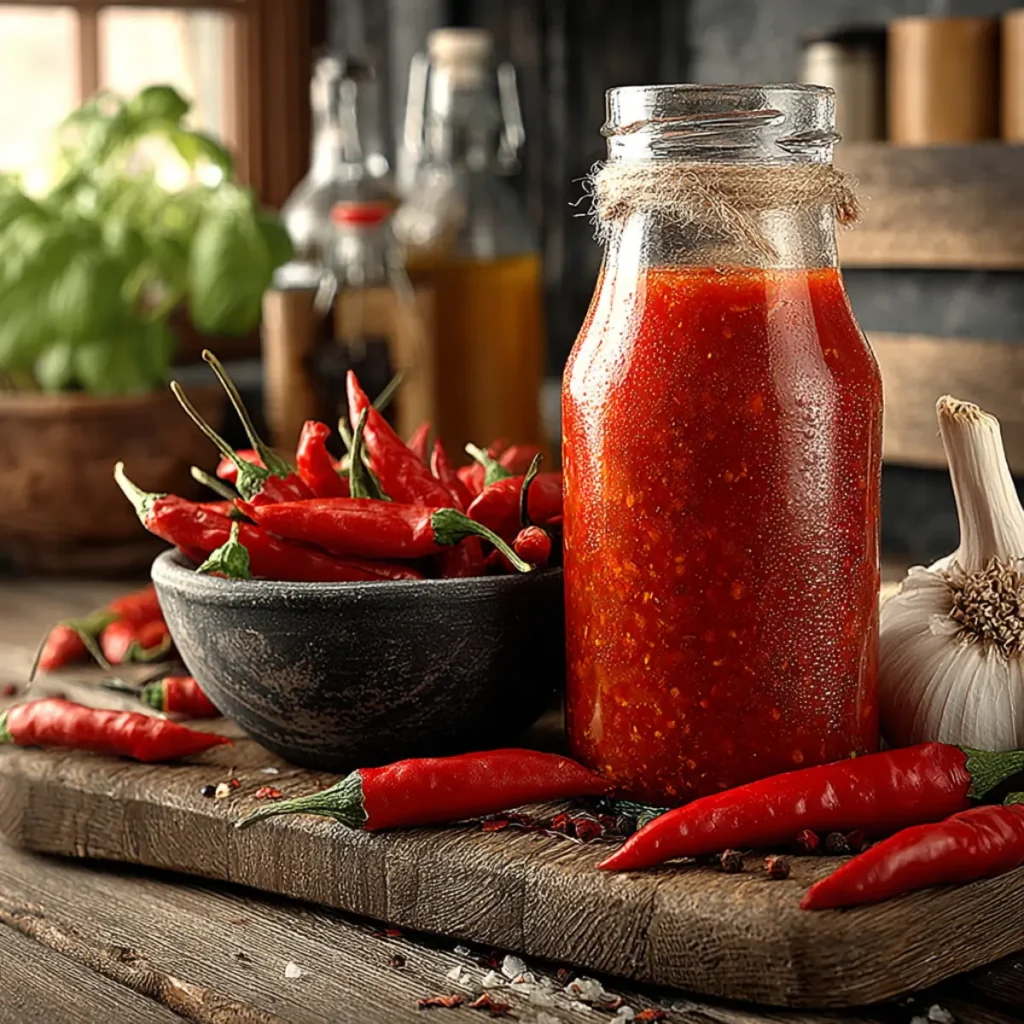
Table of Contents
Fermentation Basics for Hot Sauce
How Long Does It Take to Ferment Hot Sauce?
One of the first questions people ask when starting a fermented hot sauce recipe is how long it takes. The answer is usually 1–2 weeks. During this period, natural bacteria feed on the sugars in the peppers, releasing tangy flavors and creating bubbles in the brine. The liquid often turns cloudy, and the peppers develop a pleasantly sour aroma—clear signs that your sauce is alive and thriving.
For a beginner, it’s best to check your jar daily during the first week. Keep the peppers submerged under the brine to avoid spoilage, and open the jar occasionally to let trapped gases escape. The most active stage of fermentation typically occurs between days 5 and 10, when bubbling peaks and the flavors start to soften and develop more complexity. That’s the beauty of a fermented hot sauce recipe—you control the timing based on your preferred flavor, from bright and fresh to bold and funky.
Why Add Vinegar to Fermented Hot Sauce?
Another common question is why vinegar is added if the peppers are already fermented. Vinegar serves several important roles. First, it increases acidity, which helps the sauce last longer in the fridge. Second, it balances the saltiness of the brine with a crisp, sharp finish. It also lightens the texture, making the sauce smooth and easy to pour. Without vinegar, many versions of a fermented hot sauce recipe would be too thick or too salty for daily use.
Experiment with different vinegars for variety. Apple cider vinegar adds a fruity kick, while white wine vinegar gives a clean sharpness. For those who want to explore the science behind acids and fermentation, this fermentation guide from Serious Eats is an excellent resource.
Print
Fermented Hot Sauce Recipe
- Total Time: 30 minutes (plus 7–14 days fermentation)
- Yield: 3 cups 1x
Description
This fermented hot sauce recipe is spicy, tangy, and budget-friendly. Using only peppers, salt, water, and vinegar, you can make a bold homemade hot sauce that’s fresher, cheaper, and more flavorful than store-bought.
Ingredients
- 1 pound red serrano peppers (or any chili peppers, stems remove
- 1 quart filtered or bottled water (avoid chlorinated tap water)
- 3 tablespoons sea salt (do not use iodize
- ½–1 cup white wine vinegar (or apple cider vinegar for budget option
Instructions
- Roughly chop the peppers and place them into a clean glass jar, leaving about 1 inch of space at the top.
- Stir 3 tablespoons of sea salt into 1 quart of filtered water until fully dissolved. Pour this brine into the jar until the peppers are submerged, pressing them down gently with a spoon.
- Seal the jar loosely with a lid (or attach an airlock) and keep it in a cool, dark place at 60–70°F.
- Let the peppers ferment for 1–2 weeks. Each day, loosen the lid briefly to let out built-up gases and press the peppers back under the brine if they float up. As they ferment, the liquid will become cloudy and the peppers will develop a pleasantly tangy taste.
- Once fermentation is complete, drain the peppers while saving the brine. Blend the peppers with ½ cup reserved brine and ½ cup vinegar until smooth. Add more brine for a saltier flavor or more vinegar for a sharper finish.
- Optional: Simmer the blended sauce for about 15 minutes to stop fermentation and lengthen shelf life, though this step removes beneficial probiotics.
- For a smooth, pourable sauce, strain before bottling. For a chunkier consistency, leave as is. Store in glass bottles in the refrigerator.
Notes
Pick up discounted or “seconds” peppers from the farmer’s market to keep costs low.
Switch up the vinegar for different results—apple cider gives a sweet fruitiness, while white wine offers a crisp bite.
Refrigerated sauce keeps well for about 6 months. For uncooked versions, open the bottles now and then to let out built-up pressure.
Heating the sauce removes live probiotics but extends shelf life and stability.
- Prep Time: 15 minutes
- Cook Time: 15 minutes
- Category: Condiment, Sauce
- Method: Fermentation
- Cuisine: International
Nutrition
- Serving Size: 1 tablespoon
- Calories: 3 kcal
- Sugar: 1 g
- Sodium: 351 mg
- Fat: 0 g
- Saturated Fat: 0 g
- Unsaturated Fat: 0 g
- Trans Fat: 0 g
- Carbohydrates: 1 g
- Fiber: 1 g
- Protein: 0 g
- Cholesterol: 0 mg
Step-by-Step Fermented Hot Sauce Recipe
Ingredients and Simple Budget Substitutions
The best part about this fermented hot sauce recipe is that it requires very little. At its core, you only need chili peppers, salt, water, and vinegar. Serrano peppers give a medium heat, but you can use jalapeños for a milder sauce or habaneros for something fiery. White wine vinegar is classic, but apple cider vinegar is a budget-friendly swap that adds a subtle fruitiness.
Buying peppers in bulk or using end-of-season “seconds” from the farmers market makes this recipe even cheaper. What might cost $10 in a gourmet bottle comes together for just a few dollars in your own kitchen, with enough yield to last for months.
Method That Anyone Can Follow
Making a fermented hot sauce recipe doesn’t have to feel intimidating. The process begins by chopping peppers and packing them into a jar, then covering them with a simple brine. As the peppers ferment over 1–2 weeks, the brine turns cloudy and tangy, signaling that the good bacteria are working. From there, you blend the peppers with some of the brine and vinegar until smooth. That’s it—you’ve just created a bold, probiotic condiment at home.
One question people often ask is: Does hot sauce need to be fermented? The answer is no—you can make quick hot sauces by simmering peppers with vinegar. But fermentation adds layers of flavor you simply can’t get in a quick-cook method. It’s funkier, deeper, and more satisfying.
The fun part is using your sauce. I love drizzling it over tacos, scrambled eggs, or even pasta dishes. In fact, it’s the perfect kick of heat for my One Pot Chicken Fajita Pasta Recipe, turning a family dinner into something extra exciting.
Flavor Variations & How to Use Your Sauce
Creative Variations You Can Try
Once you’ve mastered a basic fermented hot sauce recipe, the fun really begins. Fermentation is flexible, so you can easily change ingredients to create a sauce that’s uniquely yours. Love smoky flavors? Stir in chipotle peppers or smoked paprika before blending. Prefer a garlic-forward kick? Toss in a few cloves during fermentation. For something tropical, blend in mango or pineapple with the peppers. Each variation brings new character while keeping the same tangy base.
Another budget-friendly trick is fermenting mixed peppers together. If you find a discounted bundle of chilies at the market, use them all in one jar. The combination tends to give both balance in spice and depth in taste. That’s part of the charm of any fermented hot sauce recipe—it’s adaptable to what you have on hand, not limited to a single type of pepper.
Best Ways to Use Your Homemade Sauce
Of course, the most exciting part is enjoying your creation. A splash of homemade hot sauce instantly transforms eggs, rice bowls, tacos, and roasted vegetables. I especially love adding a spoonful to soups or stews for depth. Unlike store-bought sauces, your homemade version won’t taste one-note—it will have layers of flavor thanks to the fermentation process.
If you’re looking for inspiration, think beyond typical uses. Stir a little into marinades for chicken or drizzle it over pizza for a tangy twist. Even pasta dishes can benefit—imagine a creamy mac and cheese with just a touch of spice. That’s the beauty of keeping a fermented hot sauce recipe in your fridge: it’s an inexpensive, flavor-packed condiment that can elevate even the simplest budget meals.
Conclusion
At the heart of it, a fermented hot sauce recipe proves that bold flavor doesn’t have to come with a big price tag. With just a few simple ingredients, you can make a condiment that rivals artisanal bottles while saving money and reducing food waste. More importantly, fermentation adds layers of tang, depth, and complexity you’ll never get from a quick vinegar-based sauce.
Whether you keep it classic with red peppers or experiment with smoky, garlicky, or fruity variations, this recipe is endlessly customizable. It’s also a budget-friendly way to stock your fridge with something exciting that transforms everyday meals. So the next time you’re tempted to grab a $10 bottle off the shelf, remember: your own fermented hot sauce recipe is cheaper, fresher, and more satisfying.
FAQs
How long does it take to ferment hot sauce?
It usually takes 1–2 weeks for a fermented hot sauce recipe to develop the right balance of flavor. During this time, the brine turns cloudy, bubbles form, and the peppers gain that signature tangy taste. Some prefer a younger ferment for brighter flavors, while others let it go longer for more funk and depth.
Why add vinegar to fermented hot sauce?
Even after fermentation, vinegar adds brightness, balances the saltiness of the brine, and helps preserve the sauce. In most versions of a fermented hot sauce recipe, vinegar also thins the texture to make it pourable and more versatile in cooking.
Does hot sauce need to be fermented?
Not necessarily. You can make quick hot sauces by simmering peppers in vinegar, but a fermented hot sauce recipe creates layers of flavor you can’t get with a fast cook. Fermentation adds tang, complexity, and probiotic benefits.
What are some fermented hot sauces?
Famous examples include Tabasco and sriracha. Both are made using fermentation for their signature tang. Your own fermented hot sauce recipe can be just as delicious while costing far less than store-bought bottles.
Is Frank’s Red Hot fermented?
No, Frank’s is not fermented. It’s made with aged cayenne peppers and vinegar, but it skips the fermentation stage. This is why it tastes simpler compared to a homemade fermented hot sauce recipe.
Is Cholula a fermented hot sauce?
Cholula is not fermented either. It relies on vinegar, spices, and peppers for flavor. If you want the extra depth and tanginess that comes from natural fermentation, making your own fermented hot sauce recipe is the way to go.
Last Updated on September 18, 2025 by Elodie Martin