
Subsection My French Kitchen Meets One-Pot Pasta:
My French Kitchen Meets One-Pot Pasta
The first time I tried making lemon pasta, it was a complete disaster. I squeezed in too much juice, forgot to balance it with broth, and ended up with noodles that puckered my lips with every bite. My family laughed, and I almost swore off lemon pasta altogether.
But mistakes are great teachers. Over time, I learned how a splash of lemon can brighten a sauce instead of overpowering it. That’s how this version of one pot chicken lemon pasta was born. Cooking everything together in broth allows the pasta to soak up flavor while the lemon adds just enough freshness. Today, it’s one of my favorite weeknight dinners — simple, comforting, and proof that even failures can lead to kitchen wins.
Why This Dish Works Every Time
The beauty of this recipe is its balance. The chicken adds heartiness, the lemon keeps things light, and the herbs infuse the broth with layers of flavor. Cooking everything in one pot makes the pasta perfectly coated with a silky sauce that doesn’t need cream to feel indulgent. It’s not just about saving time, though that’s a bonus; it’s about how the method creates flavor you can’t get from cooking each part separately.
Whenever friends ask me for a dish that feels elegant but approachable, I point them toward one pot chicken lemon pasta. It’s proof that everyday cooking can be fast, fresh, and deeply satisfying. For nights when I want the same ease, I also reach for recipes like a simple [creamy chicken soup] or a hearty pasta bake—both bring the same comfort this one-pot wonder delivers.

Table of Contents
Cooking in One Pot – Flavor and Efficiency
Can You Cook Pasta and Chicken Together?
One of the most common questions about one pot chicken lemon pasta is whether you can cook pasta and chicken in the same pot. The answer is yes, though with a little nuance. Pasta thrives when it cooks directly in seasoned broth instead of plain water, because it absorbs flavor and releases starches that create a silky sauce. Stirring often keeps the noodles from sticking and ensures even cooking.
As for chicken, I recommend using cooked pieces—cubed or shredded—so the recipe stays quick and safe. If you’d like to start with raw chicken, sear it in the pot first, remove it, then return it once the pasta is nearly finished. That way, you avoid overcooked pasta or undercooked chicken. For another weeknight-friendly idea built on the same method, you can check out this one pot ground beef pasta recipe.
The Science of Lemon in Pasta
Another common question is: what does adding lemon juice to pasta do? Lemon isn’t just about taste—it’s chemistry. The acidity brightens the dish, cutting through starches and balancing the richness of the chicken. A squeeze of lemon also adds a boost of vitamin C, which supports overall health (National Institutes of Health on Vitamin C). Just a little zest sprinkled at the end lifts the whole bowl of one pot chicken lemon pasta to another level.
Print
One Pot Chicken Lemon Pasta
- Total Time: 30 minutes
- Yield: 4 servings 1x
- Diet: Gluten Free
Description
A quick, cozy, and flavorful dinner recipe where pasta, chicken, and lemon cook together in one pot. This one pot chicken lemon pasta balances freshness with comfort in just 30 minutes.
Ingredients
-
2 tbsp olive oil
-
3 cloves garlic, minced
-
1 cup broccoli florets
-
12 oz gluten-free spaghetti (sub cassava spaghetti for AIP)
-
4 ½ cups chicken broth
-
3–4 tbsp lemon juice, adjust to taste
-
1 tsp dried oregano
-
1 tsp dried basil
-
Salt and pepper to taste (omit pepper for AIP)
-
2 cups chicken, cooked (cubed or shredded)
-
2 tbsp parsley, chopped
-
Zest of half a lemon
Instructions
- Heat the oil in a large deep skillet over medium heat. Add the garlic and broccoli, cooking for 4–5 minutes until the garlic is fragrant and the broccoli is bright green and just tender.
- Turn off the heat and place the spaghetti in the pan, keeping it whole if possible. Pour in the broth and lemon juice so the pasta is fully covered. Add oregano, basil, salt, and pepper, then give it a light stir.
- Bring everything to a boil, then lower to a gentle simmer. Cook for 10–11 minutes, stirring often so the pasta doesn’t stick. The broth will mostly absorb as the pasta cooks to al dente. If needed, add 2–3 tablespoons more broth for extra cook time.
- Stir in the cooked chicken and let it heat through for about 1 minute.
- Serve warm, garnished with fresh parsley and lemon zest.
Notes
Nutrition information is approximate and may vary based on brands and portion sizes.
Save time by using shredded rotisserie chicken instead of cooking your own.
Try swapping the broccoli with spinach or zucchini for a fresh twist.
For a creamier finish, stir in a splash of cream or a sprinkle of Parmesan just before serving.
- Prep Time: 10 minutes
- Cook Time: 20 minutes
- Category: Dinner, Pasta
- Method: One Pot, Stovetop
- Cuisine: Italian-American
Nutrition
- Serving Size: 1 bowl
- Calories: 28g
- Sugar: 3g
- Sodium: 580mg
- Fat: 12g
- Saturated Fat: 2g
- Unsaturated Fat: 9g
- Trans Fat: 0g
- Carbohydrates: 55g
- Fiber: 5g
- Protein: 28g
- Cholesterol: 65mg
Step-by-Step Guide to One Pot Chicken Lemon Pasta
Ingredients You’ll Need
This recipe comes together with everyday ingredients, yet the result feels bright and comforting. Here’s what you’ll need:
- Olive oil and garlic for the base.
- Bright broccoli florets add both crunch and a pop of green.
- Gluten-free spaghetti (or cassava spaghetti for AIP).
- Chicken broth to infuse the pasta with flavor.
- Lemon juice and zest for freshness.
- Herbs like oregano and basil for depth.
- Season lightly with salt, and skip the pepper if following AIP.
- Cooked chicken, cubed or shredded.
- Fresh parsley to finish.
To make it easier, here’s a quick swap guide:
| Ingredient | Swap Option |
|---|---|
| Gluten-Free Spaghetti | Regular pasta or cassava spaghetti (AIP) |
| Broccoli | Asparagus, peas, or spinach |
| Chicken Broth | Vegetable broth or bone broth |
| Cooked Chicken | Rotisserie chicken, shrimp, or leftover turkey |
Cooking Method Made Simple
Start by heating olive oil in a large, deep pan over medium heat. Add the garlic and broccoli, cooking for about four minutes until the garlic is fragrant and the broccoli turns bright green. Turn off the heat and place the spaghetti into the pan. Pour in chicken broth and lemon juice until the pasta is just covered. Add oregano, basil, salt, and pepper, giving it a light stir.
Bring everything to a boil, then reduce to a simmer for 10–11 minutes. Stir often so the pasta doesn’t stick. As the broth reduces, it transforms into a light, silky sauce. If the pasta needs more time, splash in a bit more broth. When the noodles are al dente, stir in the cooked chicken and let it warm through. Finish with chopped parsley and fresh lemon zest for a fragrant, bright touch.
Should You Cook Chicken or Pasta First?
For this dish, pasta takes center stage. Cooking it directly in broth gives you flavor that plain water can’t match. That’s why it’s best to add pre-cooked chicken toward the end—it keeps the pasta perfectly textured and the chicken juicy. If you’re starting with raw chicken, sear it first, then set it aside while the pasta cooks, and return it at the end.
For more quick chicken dinners, I often rotate between this pasta and my classic meatloaf with zesty glaze when I need comfort food. If you’re new to weeknight pastas, my guide on easy meal prep for beginners is a great place to start.
Tips, Variations & Pasta Perfection Rules
Flavor Boosters and Variations
The beauty of one pot chicken lemon pasta is how easily it adapts to your kitchen. If you love a creamier finish, stir in a splash of heavy cream or a spoonful of cream cheese once the pasta is done. For extra protein, swap the chicken with shrimp or even turkey. Broccoli is classic here, but asparagus, zucchini, or spinach can all brighten the dish in their own way.
In Italian cooking, a lemon chicken pasta is often called pollo al limone con pasta, which highlights the balance of tender meat and citrus. That same principle works in this recipe—you’re not hiding the lemon, you’re letting it shine. For more citrusy ideas, I often make a quick side like roasted lemon potatoes to round out the meal.
If you’d like to try another weeknight-friendly twist, my street corn chicken rice bowl is just as hearty but takes flavors in a totally different direction. And for more quick pasta favorites, check out my one pot salmon pasta—it’s a bright, coastal-inspired cousin to this recipe.
Pasta Perfection Rules
So, what’s the golden rule for cooking pasta? Always cook it in plenty of liquid and stir it often. That’s why the one-pot method works so well: the pasta gets just enough broth to cook while concentrating flavor into the sauce. Resist the urge to leave it unattended—stirring ensures the noodles cook evenly and don’t clump together.
Another tip is to season as you go. Taste the broth halfway through and adjust the salt or lemon if needed. The broth reduces as the pasta cooks, so it’s better to adjust gradually rather than add too much at the end. Finally, don’t skip the fresh parsley and zest—they give the dish that restaurant-level finish.
Cooking with these small rules in mind means every bowl of one pot chicken lemon pasta will taste just right: balanced, fragrant, and satisfying.
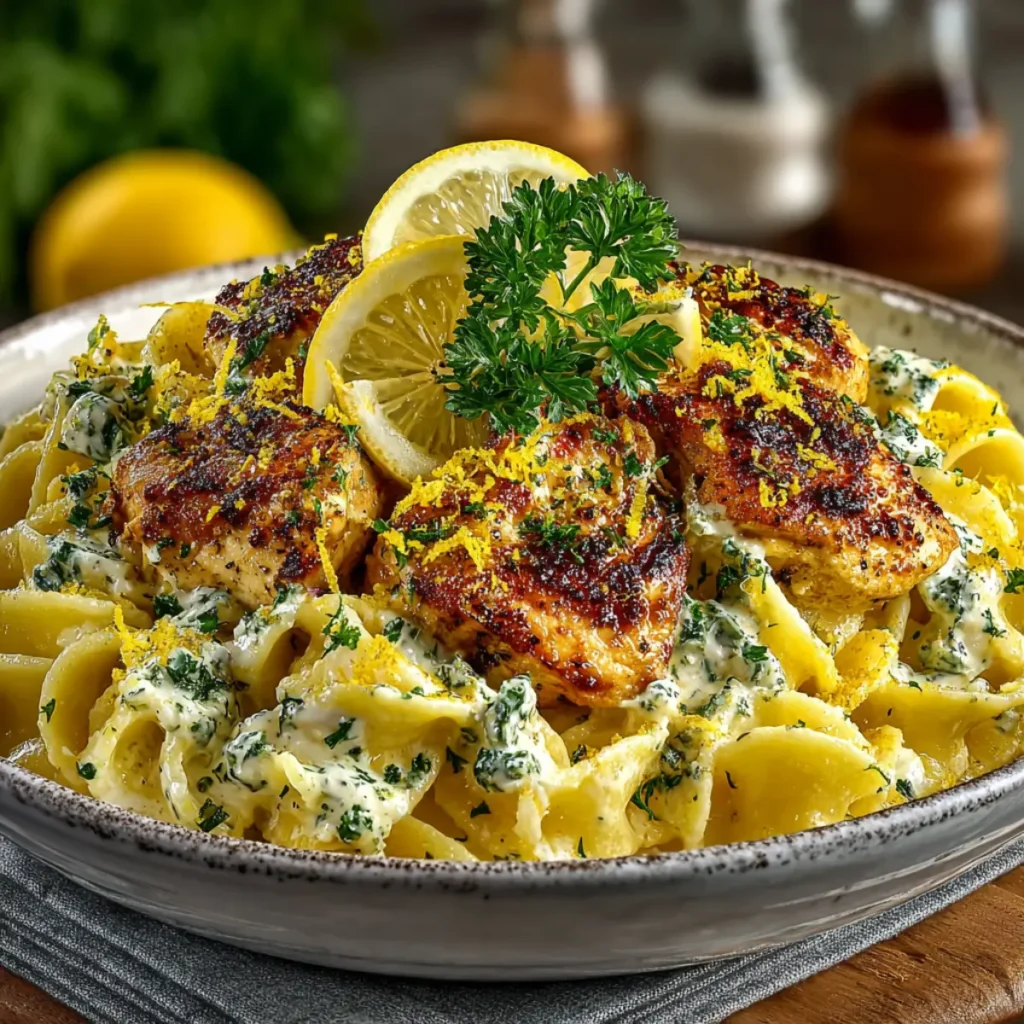
Conclusion: Why One Pot Chicken Lemon Pasta Belongs in Your Weekly Dinner Rotation
At the end of the day, one pot chicken lemon pasta is more than just a quick dinner—it’s true comfort in a bowl. The one-pot method means fewer dishes, but it also creates flavor that plain boiled pasta can’t match. Every forkful carries the brightness of lemon, the heartiness of chicken, and the satisfaction of a home-cooked meal.
I love this recipe because it’s both approachable and impressive. Whether you’re cooking for family, friends, or just yourself on a busy evening, one pot chicken lemon pasta delivers consistency without complication. With a few pantry staples and one deep pan, you get a dish that feels fresh, cozy, and endlessly adaptable.
So next time you’re looking for something easy yet memorable, let one pot chicken lemon pasta be your go-to. It’s the kind of recipe that makes weeknights feel special and weekends taste even better.
Frequently Asked Questions About One Pot Chicken Lemon Pasta
What does adding lemon juice to pasta do?
Lemon juice adds brightness and acidity, which balances the starches released by pasta and the richness of the chicken. It makes the whole dish taste lighter and fresher without being overpowering.
Can you cook pasta in one pot?
Yes, and that’s exactly why recipes like one pot chicken lemon pasta are so popular. Cooking pasta directly in broth allows it to soak up flavor while releasing starches that create a naturally silky sauce.
What is lemon pasta with chicken called?
In Italian-inspired cooking, you’ll often hear it called pollo al limone con pasta. But no matter the name, the essence is the same: lemon, chicken, and pasta combined into a simple dish. Here in the U.S., it’s best known as one pot chicken lemon pasta because everything cooks in a single pan.
Can you cook raw chicken and pasta together?
You can, but it requires care. Brown the chicken first, set it aside, then let it finish cooking with the pasta to ensure food safety. This method works well in one-pot dishes but many cooks prefer starting with pre-cooked chicken to keep things quicker.
Should you cook chicken or pasta first?
If you’re using raw chicken, cook it first. For cooked chicken, add it last so it doesn’t dry out. That’s why one pot chicken lemon pasta is flexible—both approaches work depending on what you have on hand.
Is one pot chicken lemon pasta good for meal prep?
Yes, it’s a great meal prep option. Store portions in airtight containers for up to 3–4 days in the fridge. The lemon keeps the flavor fresh, and a splash of broth when reheating helps bring the pasta back to life.
Last Updated on September 18, 2025 by Elodie Martin